Contact us

Brindisi · Puglia

History

A story of care, in the heart of Brindisi

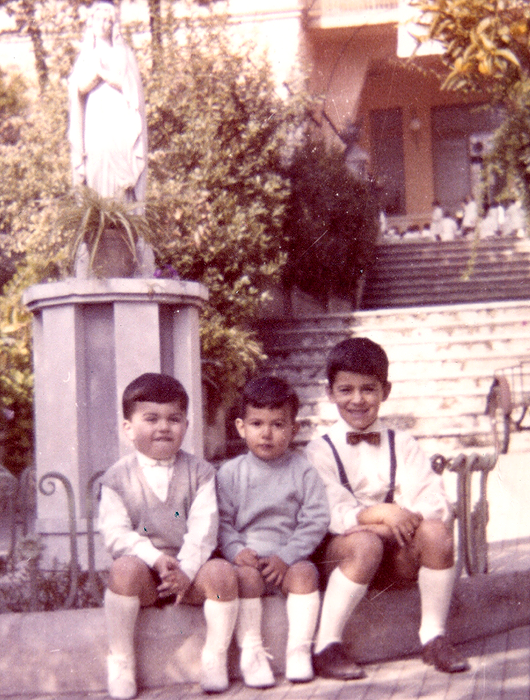
Vintage photograph of three children sitting in front of the statue of the Madonnina in the villa garden, with the stone staircase behind them
A keepsake photo in front of the garden’s Madonnina

The garden

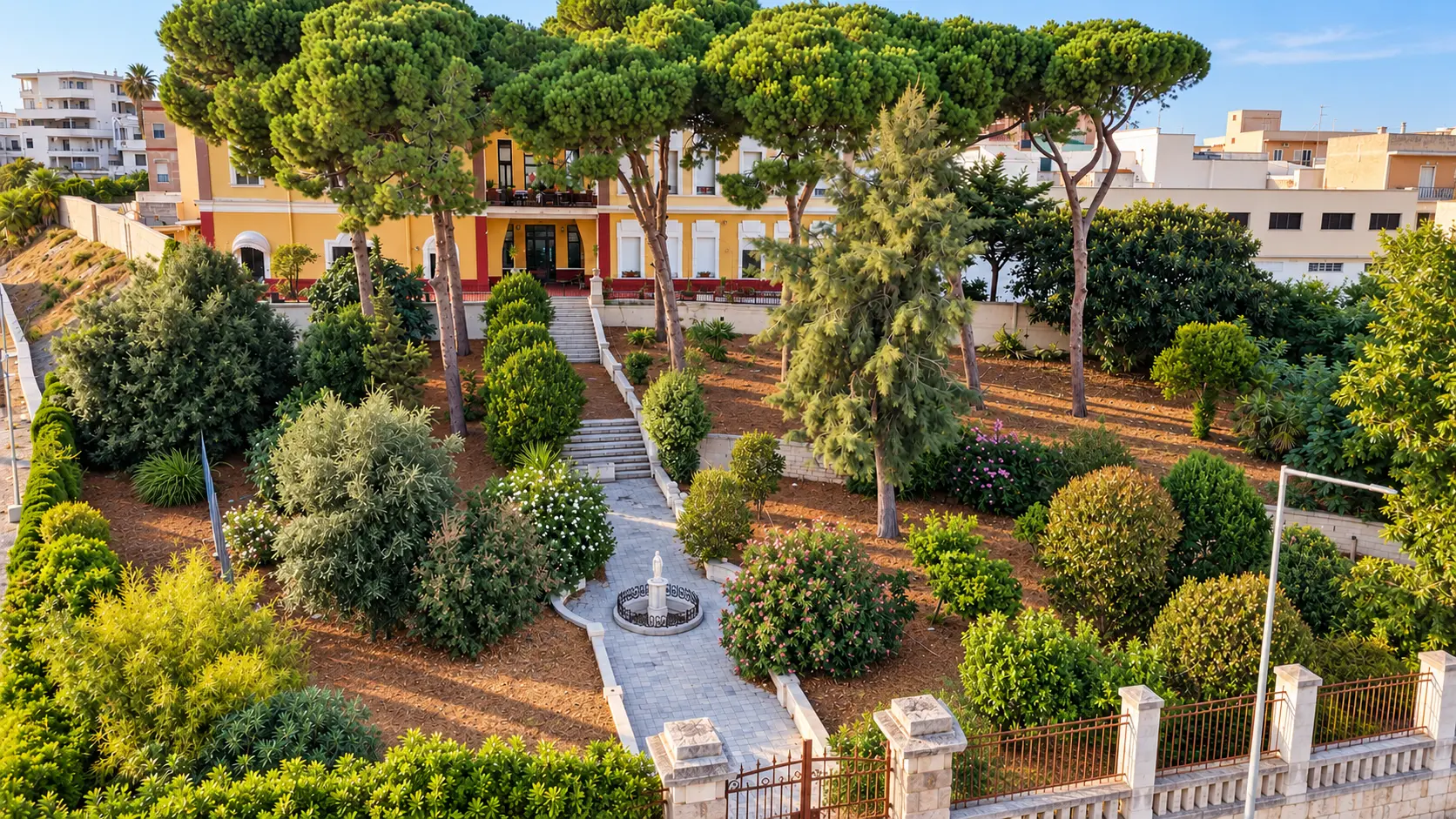
Four thousand square metres of childhood

Between Via Ottaviano and Via Appia, a short walk from Porta Mesagne, a villa raised five metres above its garden watched generations of children grow up in the open air. Sheltered from the cold northern winds, the park was their whole world: autumn sunshine, spring games, voices rising up to the balustrade.

29 April 1935

The “Maria José Princess of Piedmont” is born

In 1932 the Provincial Administration chose this house to protect abandoned children and the sons and daughters of mothers who had to leave home every morning to work. Engineer Telesforo Tarchioni enlarged it with a new wing and a second floor; the building works were entrusted to the Luigi Pecone company.

On the afternoon of 29 April 1935 Archbishop Tommaso Valeri blessed the rooms, in the presence of the prefect, the city authorities and the institution’s “patronesses”. Bright, airy rooms housed the nursery, a foundling home for newborns awaiting a family, and paediatric and obstetric clinics: a rare place of care for its time.

The Princess

Marie José of Belgium

The institution was named in honour of Marie José, third child of King Albert I of Belgium, who in 1930 married Prince Umberto of Savoy and, for a few weeks in 1946, became the last Queen of Italy: the “May Queen”.

Enterprising and modern, she cared deeply for children. She championed hygiene for the very young and loved spending her time in the nurseries where working mothers left their little ones during the day.

“Curiously, I never cared much for dolls, but I adore real, flesh-and-blood children.”Marie José, after her engagement to Prince Umberto

Timeline

The seasons of the villa

  1. 1932

    The Province acquires the villa and plans its enlargement.

  2. 1935

    The nursery, foundling home and clinics are inaugurated.

  3. 1938

    The nursery moves; the villa remains the provincial foundling home.

  4. 1940–45

    During the Second World War the Allies requisition the building.

  5. Post-war

    The Sisters of Charity of the Immaculate Conception of Ivrea arrive.

The Madonnina

01

Every child, a photograph

For decades the Sisters of Ivrea raised and cared for children with patience and skill, becoming a trusted name for whole families in Brindisi. Almost everyone who spent their early years here keeps the same picture: a keepsake photo in front of the statue of the Madonnina, the symbol of a garden always neat and tended. She still stands there today, at the heart of the park.

02

Memory, lived in once more

Villa San Giuseppe opens these rooms to guests in the same spirit of care. The garden, the balustrade, the Madonnina: everything remains, so that the story of this place can go on being told.

Discover the Villa

Sources: Giovanni Membola, “Lo splendido giardino delle suore: da asilo a centro d’accoglienza”, IL7 Magazine / Senza Colonne News (2018), also the source of the archive photograph. Biographical details on Marie José of Belgium (1906–2001) come from public sources of historical interest. Read the original article (Italian)